|
Group YEAR ENDED 31 MARCH (RM’000) |
26 |
25 |
24 |
23 RESTATED |
22 RESTATED |
|---|---|---|---|---|---|
|
Profitability |
|||||
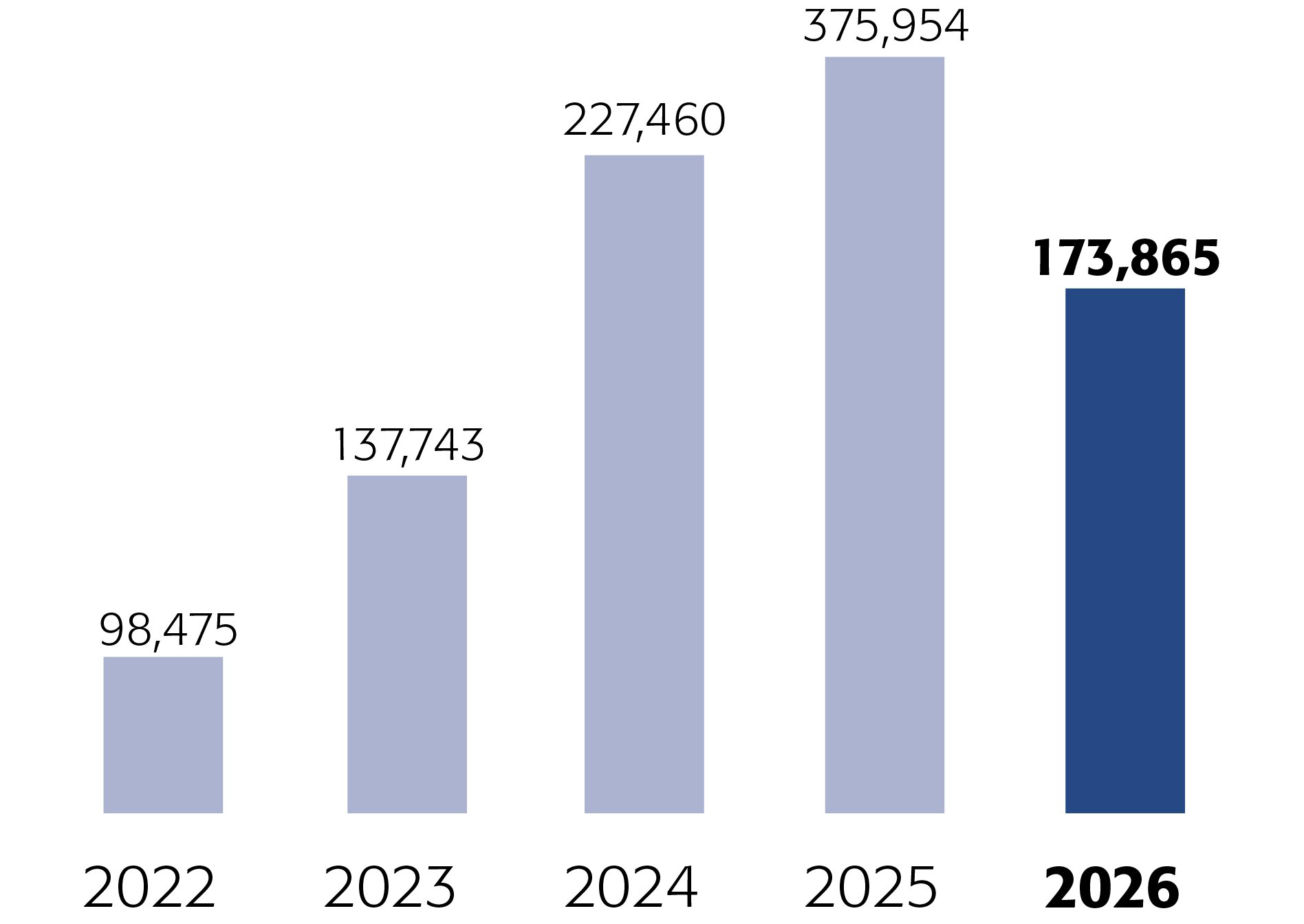
Turnover |
173,865 |
375,954 |
227,460 |
137,743 |
98,475 |
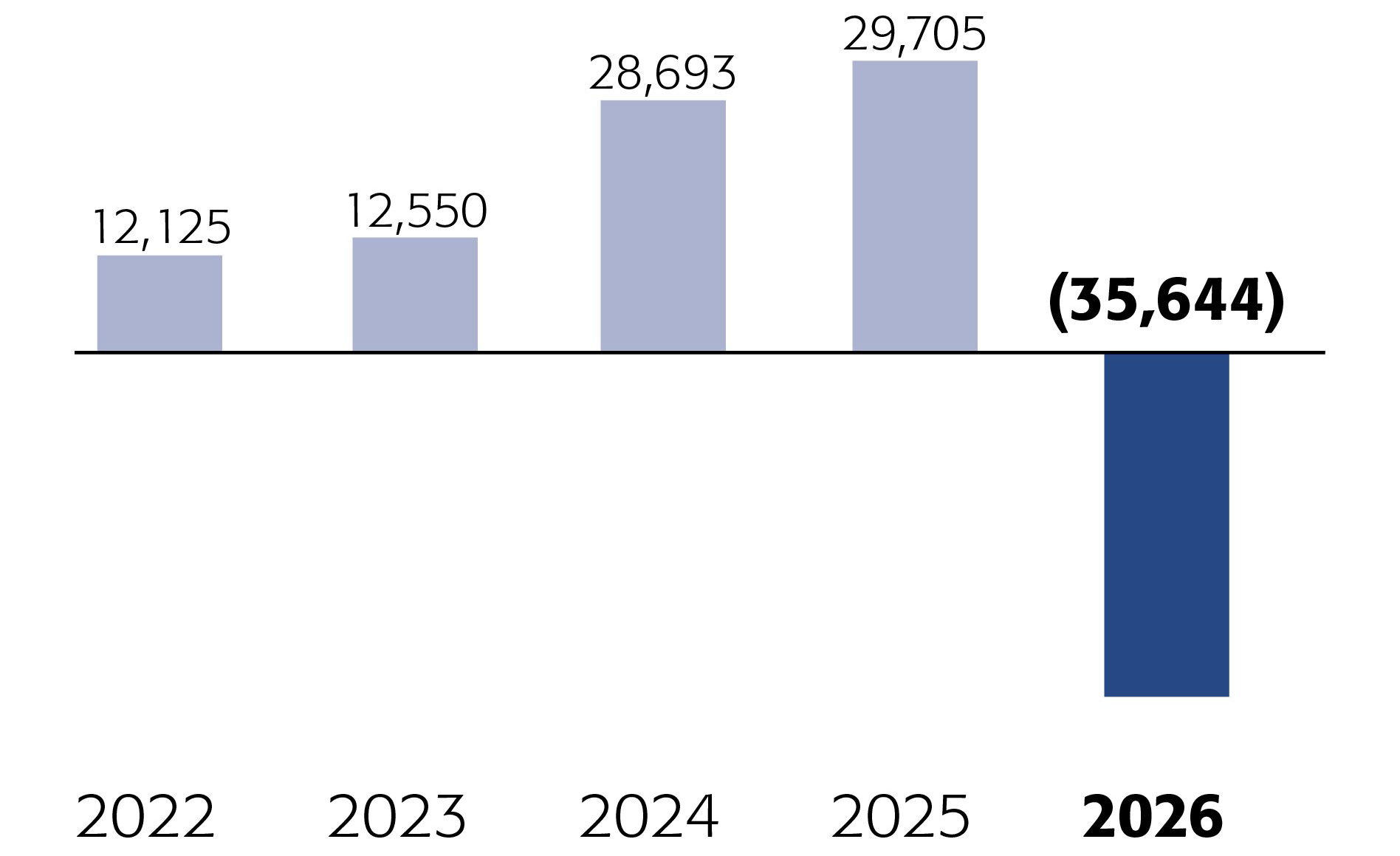
Profit / (Loss) before taxation |
(35,644) |
29,705 |
28,693 |
12,550 |
12,125 |
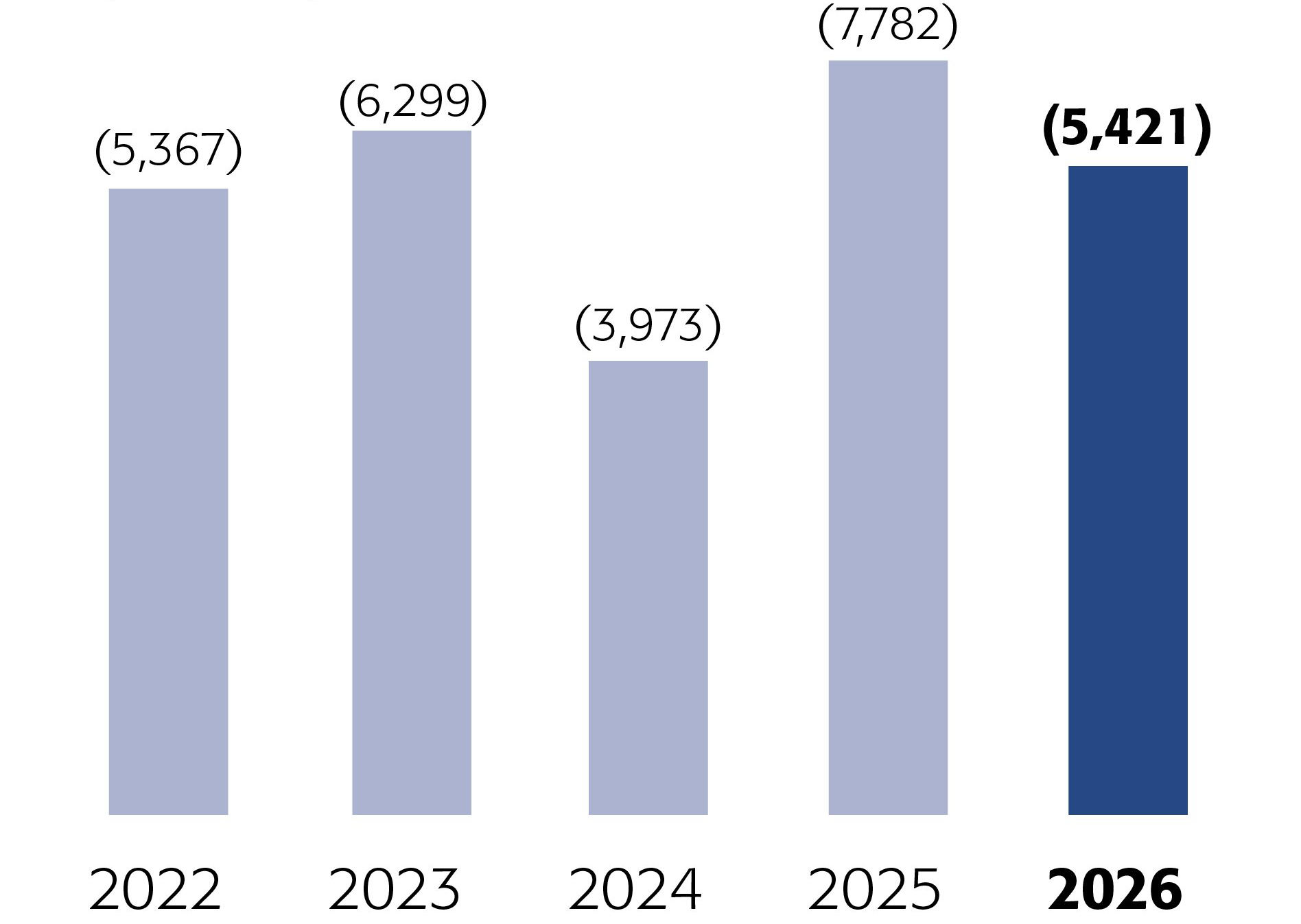
Provision for taxation |
(5,421) |
(7,782) |
(3,973) |
(6,299) |
(5,367) |
Minority interest |
- |
- |
- |
- |
- |
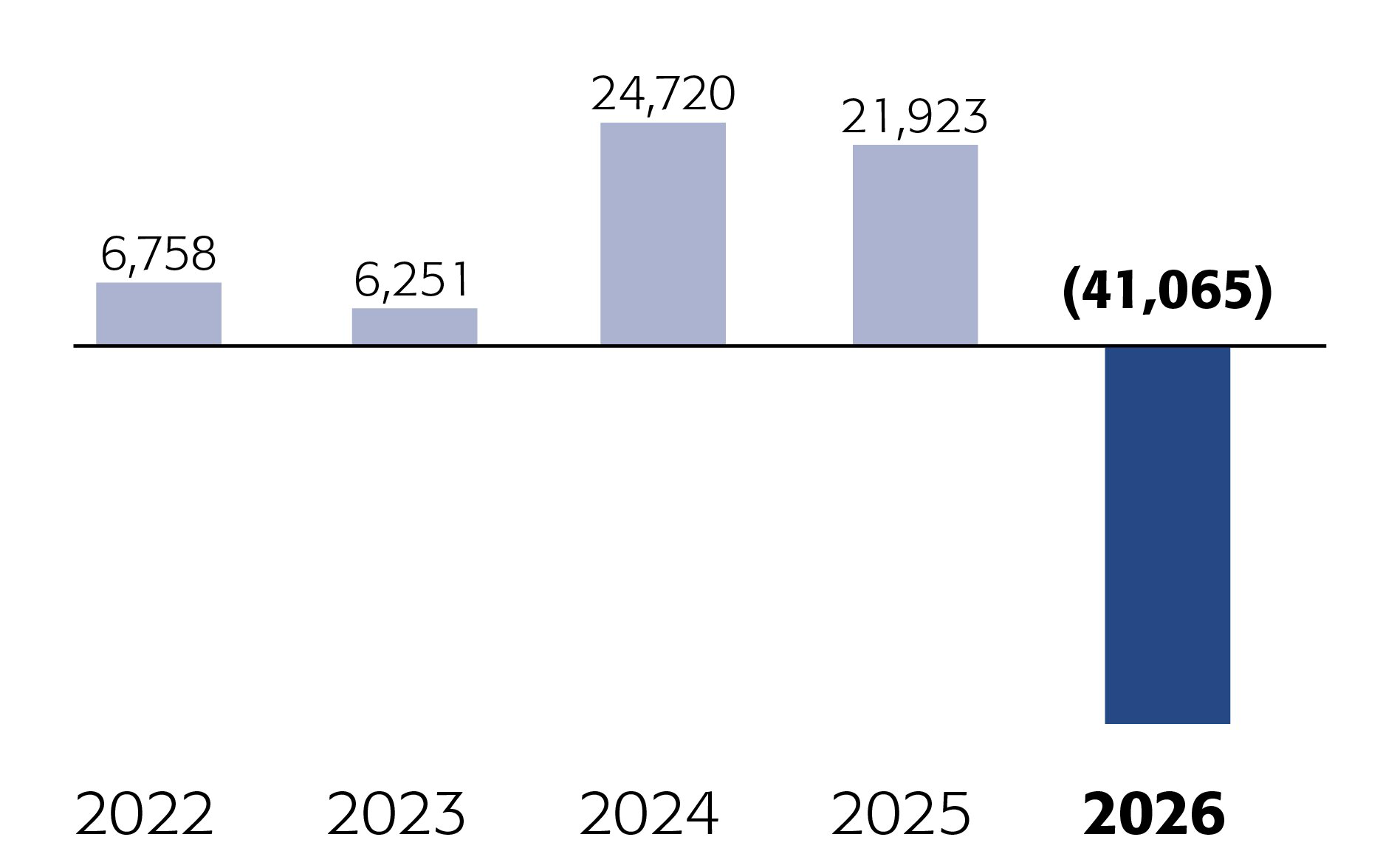
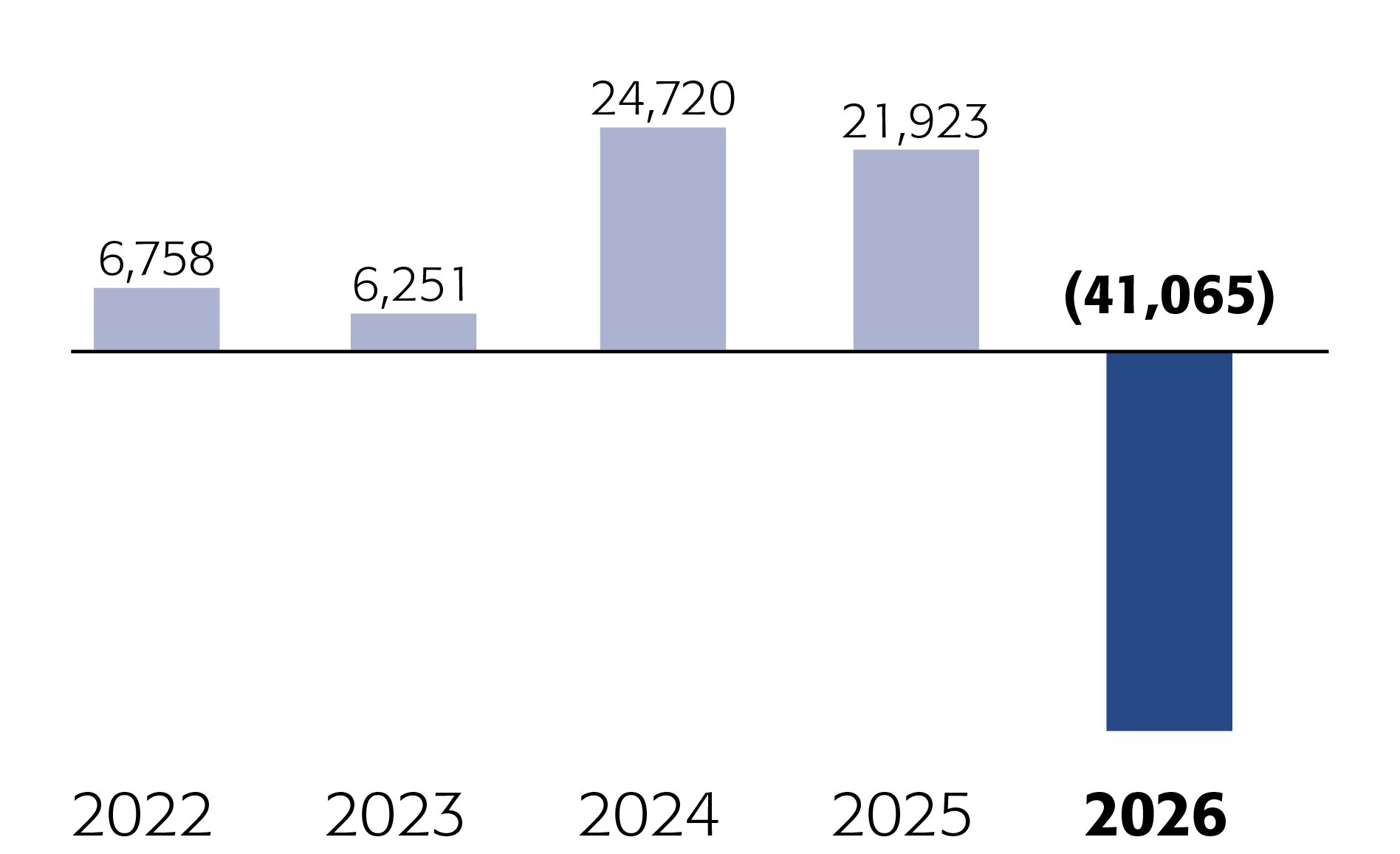
Earnings / (Loss) for the year |
(41,065) |
21,923 |
24,720 |
6,251 |
6,758 |
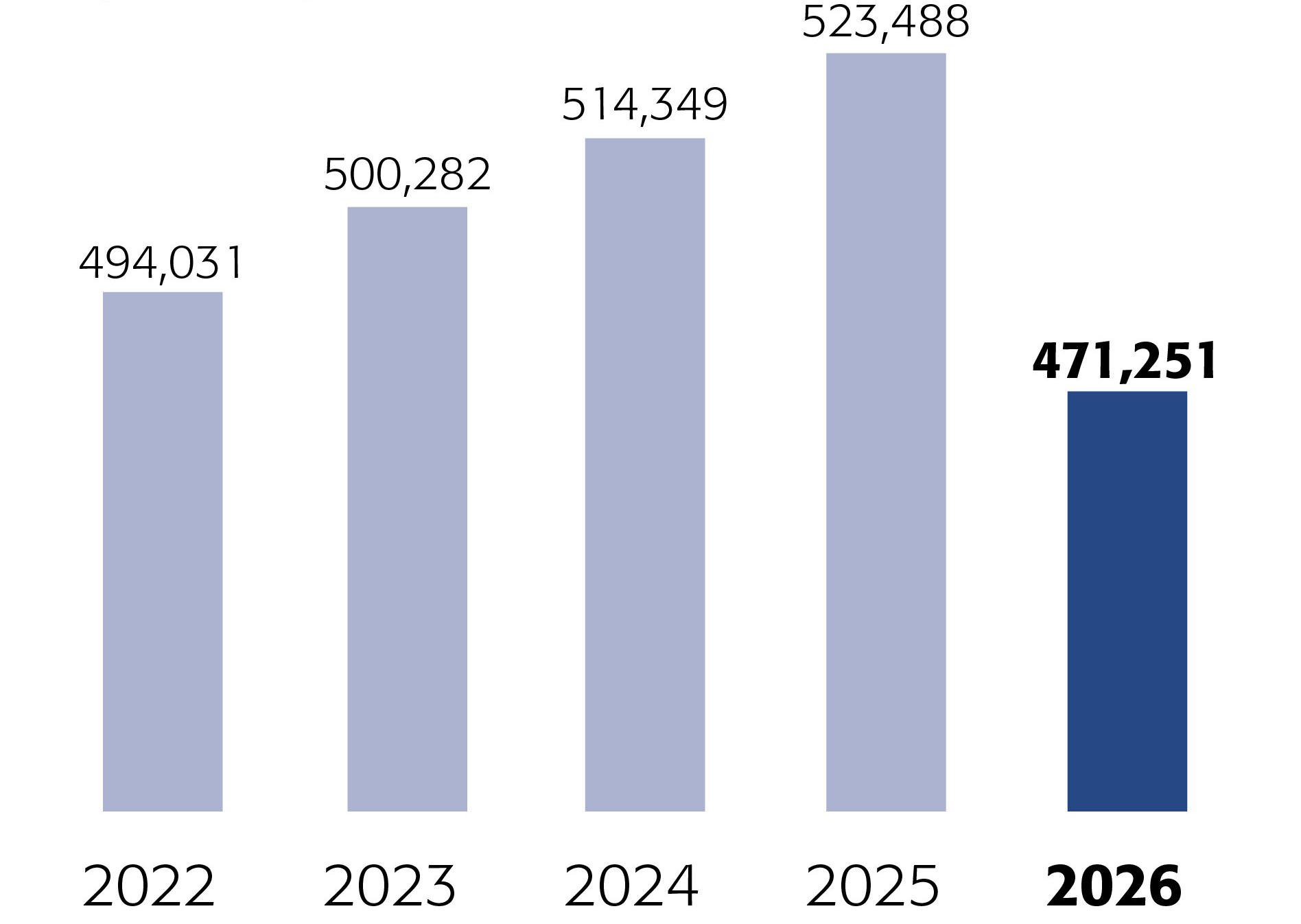
Profit available for appropriation |
471,251 |
523,488 |
514,349 |
500,282 |
494,031 |
Dividend net of tax |
12,784 |
12,784 |
10,653 |
- |
- |
|
Key Balance Sheet Data |
|||||
Total assets |
1,376,126 |
1,495,733 |
1,452,729 |
1,387,191 |
1,351,184 |
Issued share capital |
213,541 |
213,541 |
213,541 |
213,541 |
213,541 |
Shareholders' fund |
807,963 |
876,194 |
888,363 |
856,047 |
838,379 |
Total bank borrowings |
385,320 |
423,946 |
395,364 |
445,924 |
415,523 |
No of ordinary shares in issue ('000) |
426,128 |
426,128 |
426,128 |
426,128 |
426,128 |
|
Share Informance |
|||||
Return on equity |
-5.08% |
2.50% |
2.78% |
0.73% |
0.81% |
Return on total assets |
-2.98% |
1.47% |
1.70% |
0.45% |
0.50% |
Net gearing ratio |
23.84% |
29.18% |
28.60% |
29.66% |
26.62% |
Interest cover |
(0.99) |
2.55 |
2.29 |
1.79 |
1.99 |
Earnings / (Loss) after tax (sen) |
(9.64) |
5.14 |
5.80 |
1.47 |
1.59 |
Dividend after tax (sen) * |
3.00 |
3.00 |
3.00 |
2.50 |
- |
Net asset backing (sen) |
189.61 |
205.62 |
208.47 |
200.89 |
196.74 |
Price earning ratio (x) |
(4.20) |
9.62 |
10.77 |
29.99 |
32.47 |
Gross dividend yield |
7.41% |
6.06% |
4.80% |
5.68% |
0.00% |
Share price as at 31 March (RM) |
0.41 |
0.50 |
0.63 |
0.44 |
0.52 |
|
* Dividend declared during the financial year. |
|||||
The Board of Directors (“Board”) is accountable and responsible for the performance of Selangor Dredging Berhad (“Company” or “SDB”) and its subsidiaries (“Group”). All Board members are expected to provide leadership and direction to SDB Group, as well as overseeing the management and making major decision and policy.
In addition, the Board is also responsible for achieving a high level of good corporate governance.
This Board Charter sets out the role, functions, composition, operation and processes of the Board by adopting the principles of good corporate governance and practice. In addition, it also assists the Board in the assessment of its own performance and its individual Directors.
This Board Charter is not an “all inclusive” document and should be read as a broad expression of principles. The Board Charter will be reviewed on a periodic basis and may be amended by the Board from time to time.
3.1. Board Membership
3.1.1 Composition
The Board shall comprise a balance of executive and non-executive directors with at least one (1) woman director, who are experienced and competent and have the time to effectively discharge their role as director of the Company.
The Constitution of the Company provides for a minimum of two (2) directors and a maximum of eleven (11) directors. Nonetheless, at least one third of the members should be independent directors. The Independent Directors provide independent judgment, experience and objectivity without subordinated to operational considerations.
They help to ensure that the interests of all shareholders are indeed taken into account by the Board and that the relevant issues are subjected to objective and impartial consideration by the Board.
The composition and size of the Board are reviewed from time to time to ensure its appropriateness.
3.1.2 Diversity
The Board recognises the value of appointing individual directors who bring a variety of diverse opinions, perspectives, skills, experiences, backgrounds and orientations to its discussions and its decision-making processes. It believes that debate at Board meetings will be more open, balanced and wide ranging if a significant degree of diversity can be achieved amongst its members. Healthy discussions involving a wide range of views will, we believe, ultimately bring about better board decisions.
All appointments to the Board will be made on merit while taking into account suitability for the role, board balance and composition, the required mix of skills, background and experience (including consideration of diversity). Other relevant matters will also be taken into account, such as independence and the ability to fulfil required time commitments in the case of non-executive directors.
The Board recognises the challenges in achieving the right balance of diversity on the Board. This will be done overtime, taking into account the present size of the Board, the valuable knowledge and experience of the present Board members and the evolving challenges to the Company over time.
3.1.3 Appointments and Re-election
The appointment of a new Director is a matter for consideration and decision by the full Board, upon the recommendation from the Nominating Committee (“NC”).
In making these recommendations, the NC will consider the required mix of skills, experience and diversity, including gender and also the Fit and Proper Policy, where appropriate, which the Director brings to the Board.
The Constitution of the Company provides that every newly appointed Director be subjected to re-election at the immediate Annual General Meeting (“AGM”). Further, one third (1/3) of the Board shallretire from office and be eligible for re-election at every AGM, and all the Directors shall submit themselves for re-election at least every three (3) years.
3.1.4 New Directorship
Directors are expected to have such expertise so as to qualify them to make a positive contribution to the Board performance of its duties and to give sufficient time and attention to the affairs of the Company. Any Director shall notify the Chairman before accepting any new directorship and the notification shall include the indication of time that will be spent on the new appointment.
3.2 Board Role
3.2.1 Duties and Responsibilities
The Board assumes, amongst others, the following duties and responsibilities: –
The Board’s role includes, but not limited to the above matters. The Board may choose to delegate some of these responsibilities to one or more of its Board Committees. This delegation of responsibilities will be reflected in the terms of reference of the respective Board Committees.
3.2.2 Matters Reserved for the Board
The following are matters which are specifically reserved for the Board:-
The Board assumes, amongst others, the following duties and responsibilities: –
3.3 Position Description
3.3.1 The Chairman
The Board ensures that its Chairman is a non-executive member of the Board. The role of the Chairman is to ensure that the Board is functioning effectively and to undertake the following activities:
3.3.2 Managing Director
The key responsibilities of the Managing Director are:
3.3.3 Independence of Director
An independent director must fulfill the provisions and definition of independent director of the Listing Requirements at all times and must declare their independence to the Board annually.
The tenure of an independent director should not exceed a cumulative term of nine years. Upon completion of the nine years, an independent director may continue to serve on the board subject to the director’s re-designation as a non-independent director. In the event the Board retains an independent director, who has served in that capacity for more than nine years, the Board must justify and seek shareholders’ approval.
The responsibilities of an independent director are:
3.4 Relationship between the Board and Management
The Board delegates responsibility for the operation and management of the Company business to the Managing Director and the management team.
Management is accountable to the Board and is to fulfill this responsibility through the provision of reports and briefings on a regular basis throughout the year.
Head of the respective division units and relevant management personnel may be invited to attend the Board meetings.
3.5 Board Committees
The Board may from time to time establish Committees as it is considered appropriate to assist in carrying out its duties and responsibilities. The Board delegates certain functions to the following Committees to assist in the execution of its responsibilities:-
The Committees shall operate under clearly defined terms of reference. The Committees are authorized by the Board to deal with and to deliberate on matters delegated to them within their terms of reference.
The Chairman of the respective Committees shall report to the Board the outcome of the Committee meetings and such reports or minutes will be included in the Board papers.
3.6 Board Meetings
The Board shall conduct at least four (4) scheduled meetings annually, with additional meetings to be convened as and when necessary.
All Directors will be provided with performance and progress reports on a timely basis prior to the scheduled Board meetings. A full agenda of the meeting and all Board papers, including complicated issues or specific matters, would be distributed in advance to ensure Directors are well informed and have the opportunity to seek additional information, and are able to obtain further clarification from the Company Secretary, should such a need arise. Where necessary, the services of other senior management or external consultants will be arranged to brief and help the Directors to clear any doubt or concern.
3.7 Financial Reporting
In presenting the annual financial statements and quarterly announcements to the shareholders, including other price sensitive public reports and reports submitted to regulators, the Board aims to present a balanced and understandable assessment of the Group’s position and prospects.
The Board ensures that the financial statements is prepared in accordance with the Companies Act and applicable approved accounting reporting standards, so as to give a true and fair view of the state of affairs of the Group and the Company.
3.8 Directors’ Remuneration
The Remuneration Committee of the Company will review the remuneration for the Managing Directors and Senior Management on yearly basis based on the performance of the SDB Group.
In the case of Non-Executive Directors, the level of remuneration reflects the contribution and level of responsibilities undertaken by the particular Non-Executive Director.
The annual fees to be paid to non-executive Directors will be recommended by the Board of the Company and are subject to approval by shareholders through an ordinary resolution.
3.9 Directors’ Training & Continuing Education
In addition to the Mandatory Accreditation Programme as required by the Bursa Malaysia Securities Berhad (“Bursa Malaysia”), the Directors shall continue to update their knowledge and enhance theirskills through appropriate continuing education programmes and life-long learning. This will enableDirectors to effectively discharge duties and sustain active participation in the Board deliberations.
While management, Company Secretary, Internal and External Auditors will brief the Board on changes in the legislative, regulatory or industry framework which impact the Company, the Board shall assess the training needs of the Directors from time to time.
3.10 Directors’ Fit & Proper Policy
In assessing whether a person is fit and proper to be appointed/re-elected, the following criteria shall be considered:-
i) Character and Integrity
a) Probity
b) Personal Integrity
c) Financial Integrity
d) Reputation
ii) Competency and Experience
a) Qualifications, training and skills
b) Relevant experience and expertise
c) Relevant past performance or track record
iii) Time and Commitment
a) Ability to discharge role having regard to other commitments
b) Participation and Contribution in the Board or track record
The Board shall place great importance in ensuring the high standards of transparency and accountability in its communication to shareholders, as well as to potential investors, analysts and the public. The shareholders shall be informed of all material matters affecting the Company and Group.
The ways of communication to shareholders and investors, amongst others, are as follows:-
The AGM is the principal forum for dialogue with shareholders. The Board also encourages shareholders to participate in the question and answer session at the AGM.
The Directors, collectively or individually, may seek independent professional advice and information in the furtherance of their duties at the Company’s expense, so as to ensure the Directors are able to make independent and informed decisions.
Directors and Key Senior Management are required to take all reasonable steps to avoid actual, potential or perceived conflict of interests with the Company’s interest.
Should there be actual, potential or perceived conflict of interest between a Company and a Director or Key Senior Management, or a person connected with Director or Key Senior Management such as a spouse, other family member, or a related Company, the interested Director or Key Senior Management shall make full disclosure in bona fide and act honestly in the best interest of the Company and shall not participate in deliberations and shall abstain himself from casting his votes in any matter arising there from.
All Directors and Key Senior Management are required to make a declaration by completing the Conflict of Interest or Potential Conflict of Interest Declaration Form every quarter and escalated to the Board of the Company and recorded by the Company Secretary.
In the performance of his/her duties, a director should at all times observe the following codes:
The Board Charter has been updated by the Board in July 2025. Any subsequent amendment to the Charter can only be approved by the Board.
The Board Charter will be periodically reviewed and updated in accordance with the needs of the Company and any new regulations that may have an impact on the discharge of the Board’s responsibilities.
The Board Charter is made available for reference on the Company’s website at www.sdb.com.my.
The Committee shall be appointed by the Board of Directors and shall consist of not less than 2 members composed exclusively of non-executive directors, the majority of whom shall be independent directors with the responsibility for proposing new committees to the board and for assessing directors on an ongoing basis. The actual decision as to who should be nominated should be the responsibility of the full board after considering the recommendations of such a committee.
In the event of any vacancy in the Committee resulting in the non-compliance of the above, the Company must fill the vacancy within 3 months.
The Board of Directors must review the term of office and performance of the Committee and each of its members at least once every 3 years to determine whether such Committee and members have carried out their duties in accordance with their terms of reference.
The Chairman shall be elected by the Committee from among their members
The Chairman shall be elected by the Committee from among their members.
The Committee shall:-
The Committee should meet regularly, with due notice of issues to be discussed and should record its deliberations, in terms of the issues discussed, and the conclusions in discharging its duties and responsibilities. The Committee should disclose the number of committee meetings held in a year and the details of attendance of each individual member in respect of meetings held. The quorum shall be 2 members with majority of independent directors.
The Committee should have a formal schedule of matters specifically reserved to it for decision to ensure that the direction and control of the Committee is firmly in its hands.
The Committee should be entitled to the services of a secretary who must ensure that all appointments are properly made, that all necessary information is obtained from Directors, both for the Company’s own records and for the purposes of meeting statutory requirements, as well as obligations arising from the Listing Requirements of Bursa Malaysia Securities Berhad and/or other regulatory authorities.
In furtherance to their duties as the Committee’s members of the Company, there should be an agreed procedure for the members, whether as a full Committee or in their individual capacity, to take independent professional advice at the Company’s expense, if necessary.
The Board hereby resolves to establish a Committee of the Board to be known as the Audit Committee.
The Committee shall in accordance with a procedure to be determined:
The duties of the Committee include:
The establishment of the Remuneration Committee (“RC”) is responsible for ensuring that compensation and other benefits encourage directors and senior management personnel to act in ways that enhance the company’s long-term profitability and value.
The responsibilities for developing the remuneration policy and determining the remuneration of Directors lie with the Remuneration Committee. Nevertheless, it is the ultimate responsibility of the Board to approve the remuneration of these Directors.
This Anti-Bribery and Anti-Corruption Policy is developed as part of Selangor Dredging Berhad’s (“SDB”) anti-bribery and anti-corruption programme and is applicable to SDB and its subsidiaries. SDB does not condone bribery or corruption and expects all SDB Personnel and SDB Business Associates to adhere to the same principles in representing SDB or in their business conduct with SDB. Your relationship with SDB must reflect SDB’s ongoing commitment in doing business ethically with integrity.
SDB recognises the compliance of all applicable laws and regulations, including the Malaysian Anti-Corruption Commission Act 2009 (“MACC Act”) and its amendments. To the extent you are governed by applicable laws and regulations which prescribe stricter standards or conflict with the MACC Act you must comply with the stricter standards in the jurisdiction you are operating in.
Selangor Dredging Berhad is committed to the highest standard of integrity, openness and accountability in the conduct of its businesses and operations. This policy outlines the requirements and processes involved in the reporting of misconduct or wrongdoings concerning SDB that contravene our Brand Promise, Core Values or Code of Business Conduct and Ethics and the handling of such reports. This policy is applicable to SDB and its subsidiaries.
To report a misconduct or wrongdoing, kindly download and complete the Whistleblowing Report Form and submit directly to whistleblowing@sdb.com.my or return the completed form by hand or by post to:
Selangor Dredging Berhad, Whistleblowing Committee, 18th Floor, West Block, Wisma Golden Eagle Realty, 142-C, Jalan Ampang, 50450 Kuala Lumpur, Malaysia
Investor Relations (IR) Management is of principal importance for Selangor Dredging Berhad (SDB or the Group) as it plays a critical role in establishing and maintaining a robust relationship between SDB and our investor base by consistently communicating the Group’s strategic vision, operational performance, and financial health.
Effective IR Management is essential to create greater transparency, ensuring investors are well-informed, and providing investors with timely information they need to make informed decisions, which builds trust and credibility, thereby further enhancing SDB’s reputation within industry and the investor community.
Communications & Corporate Affairs
Brian Chow Tatt Weng
Email: brianchow@sdb.com.my
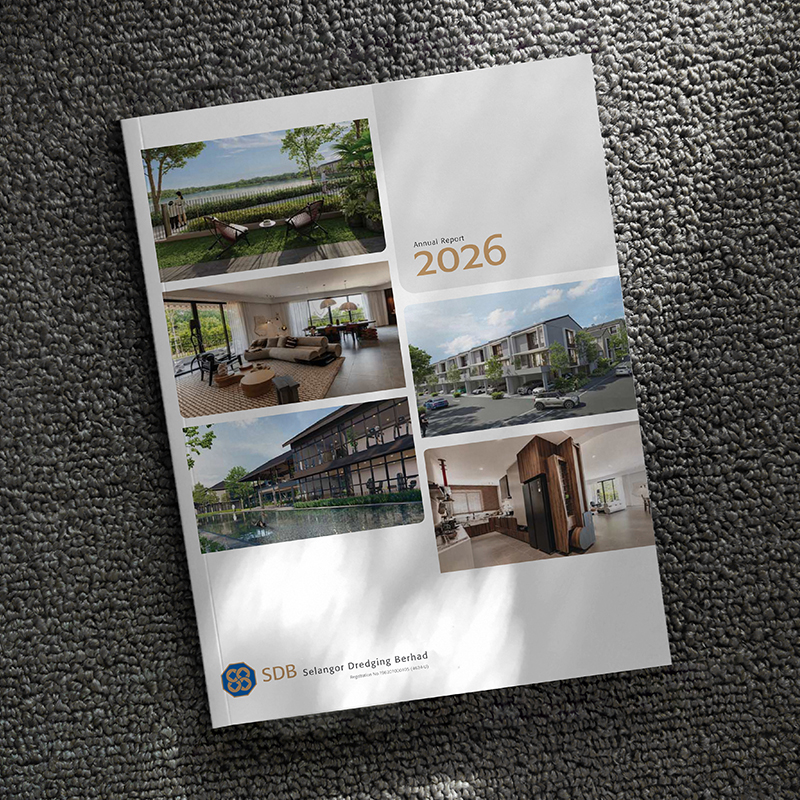
2026
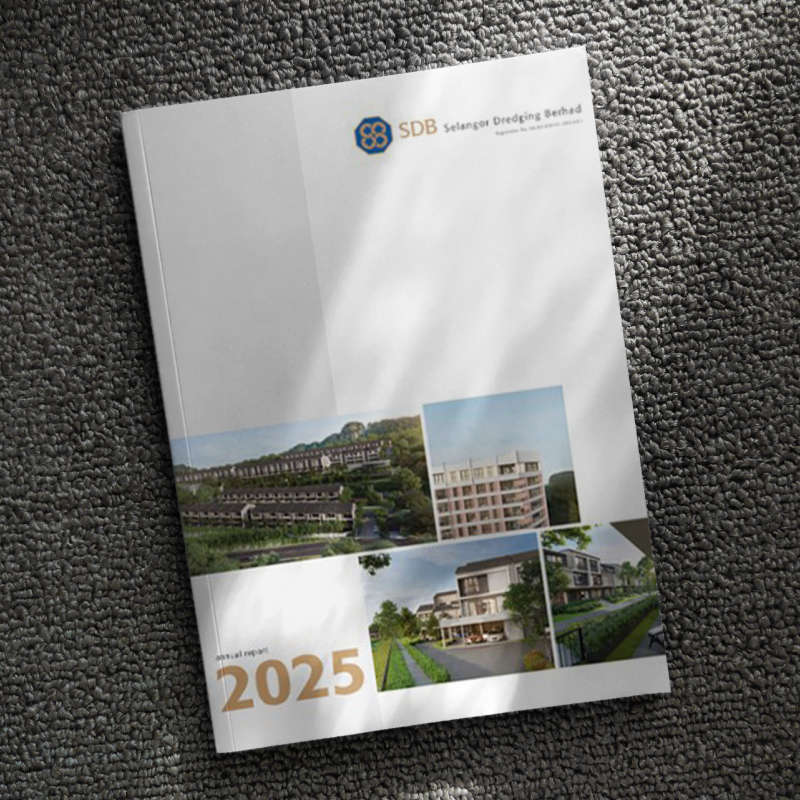
2025
2024
2023
2022
2021
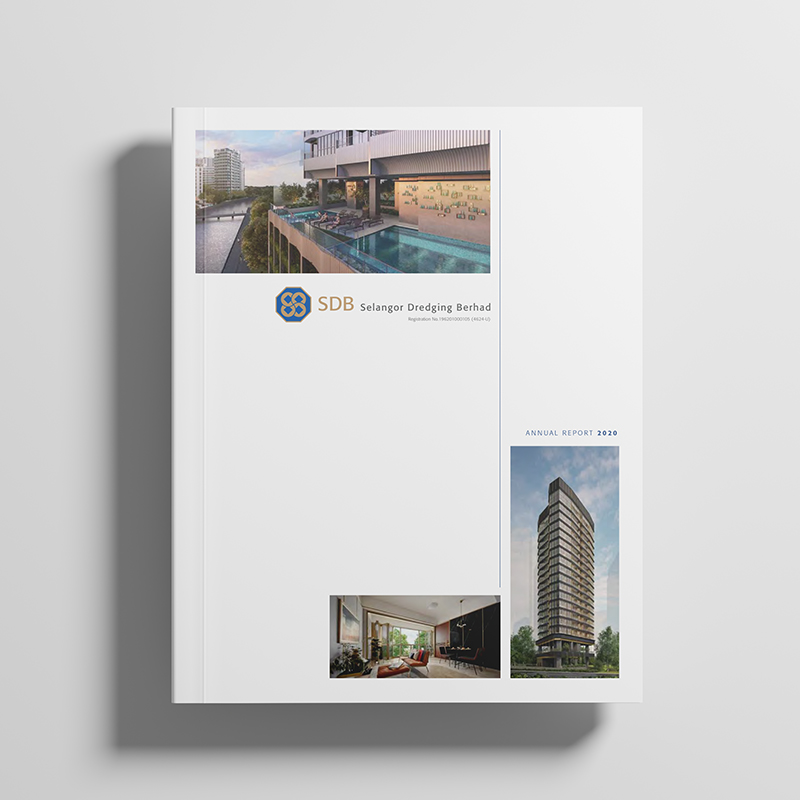
2020
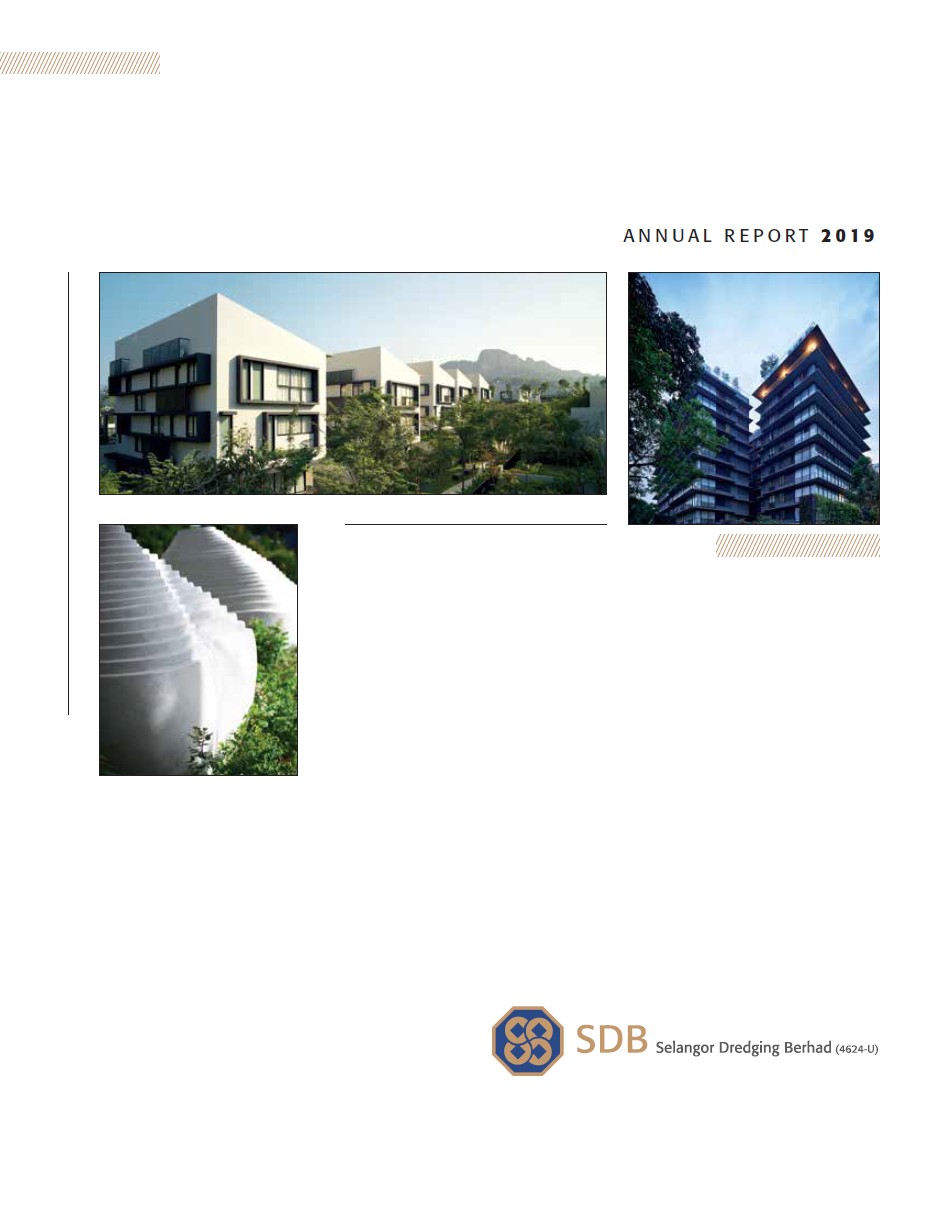
2019
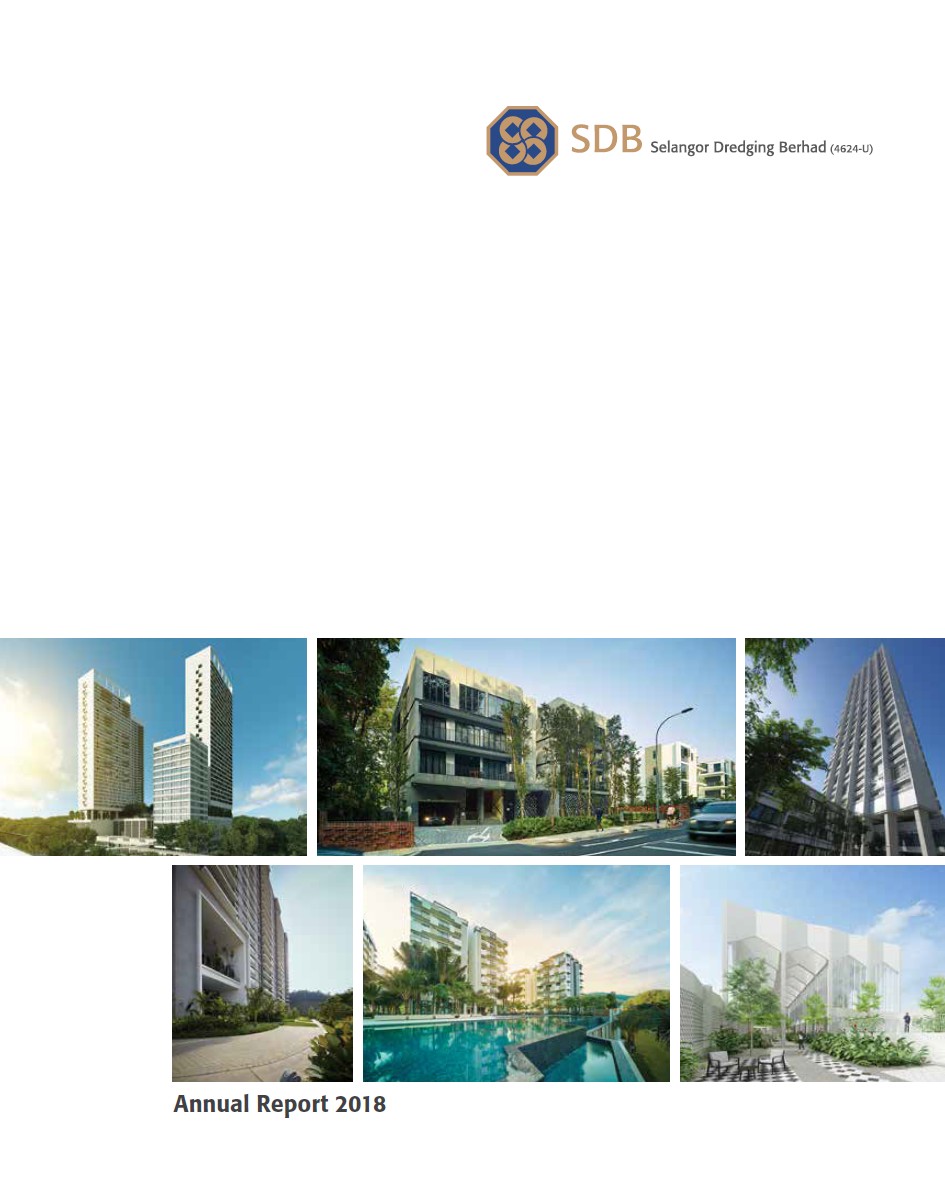
2018
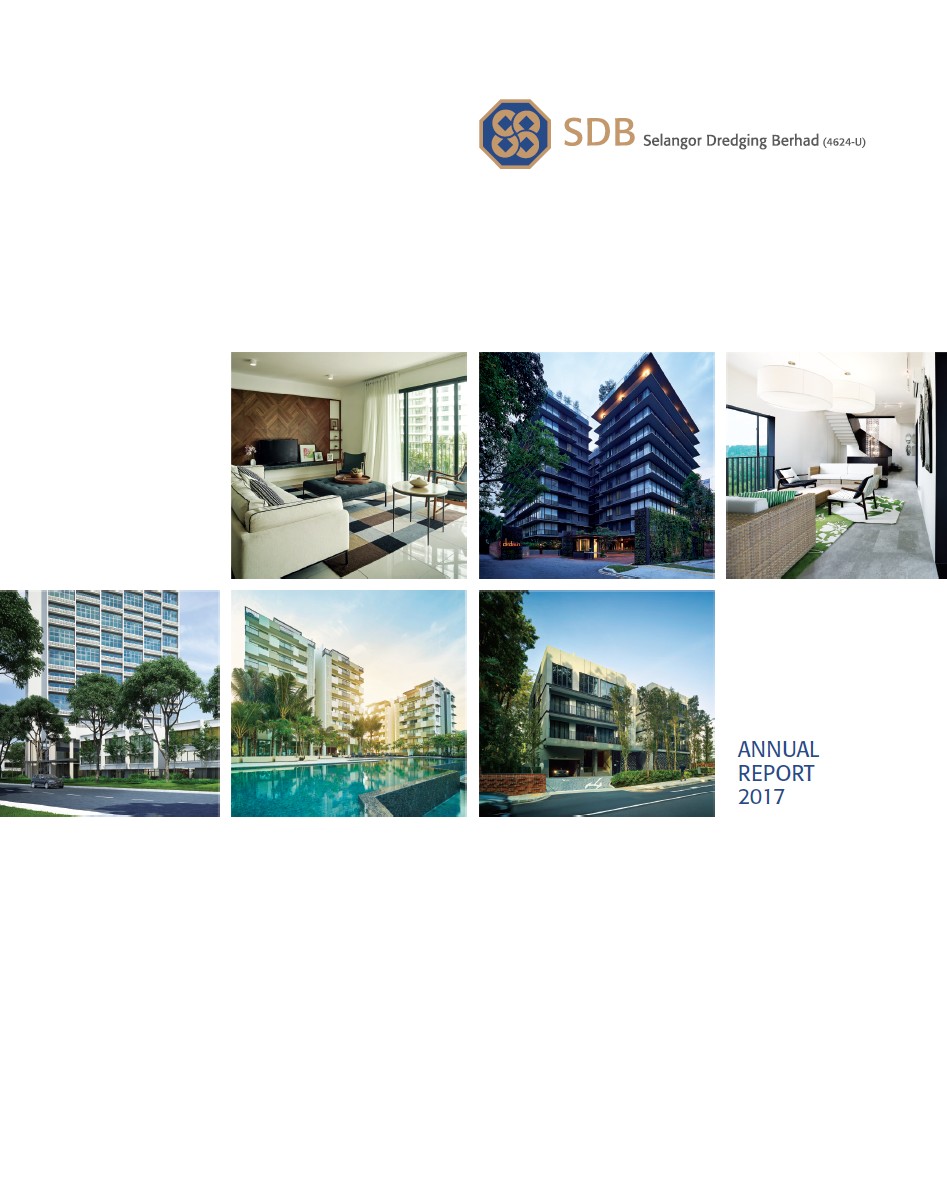
2017
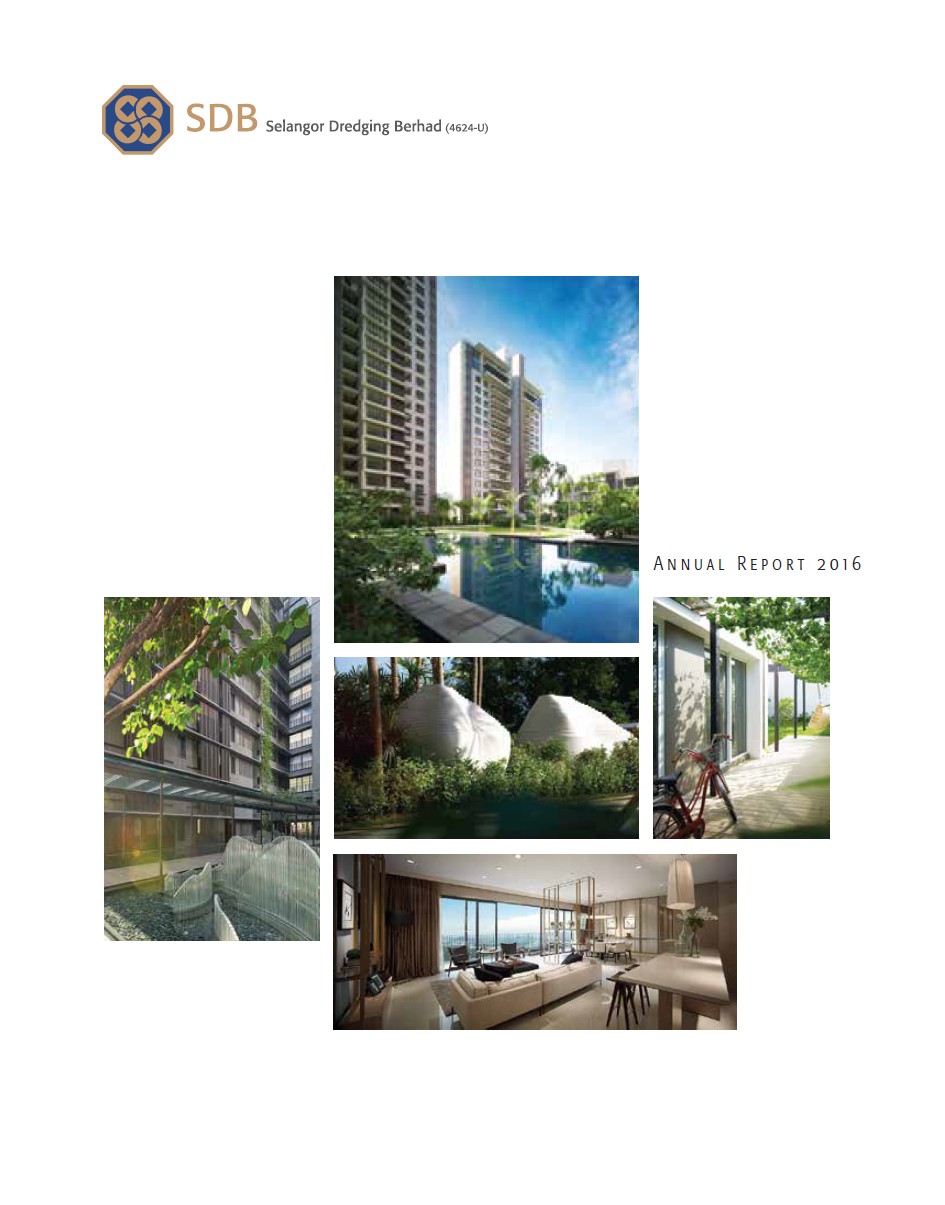
2016
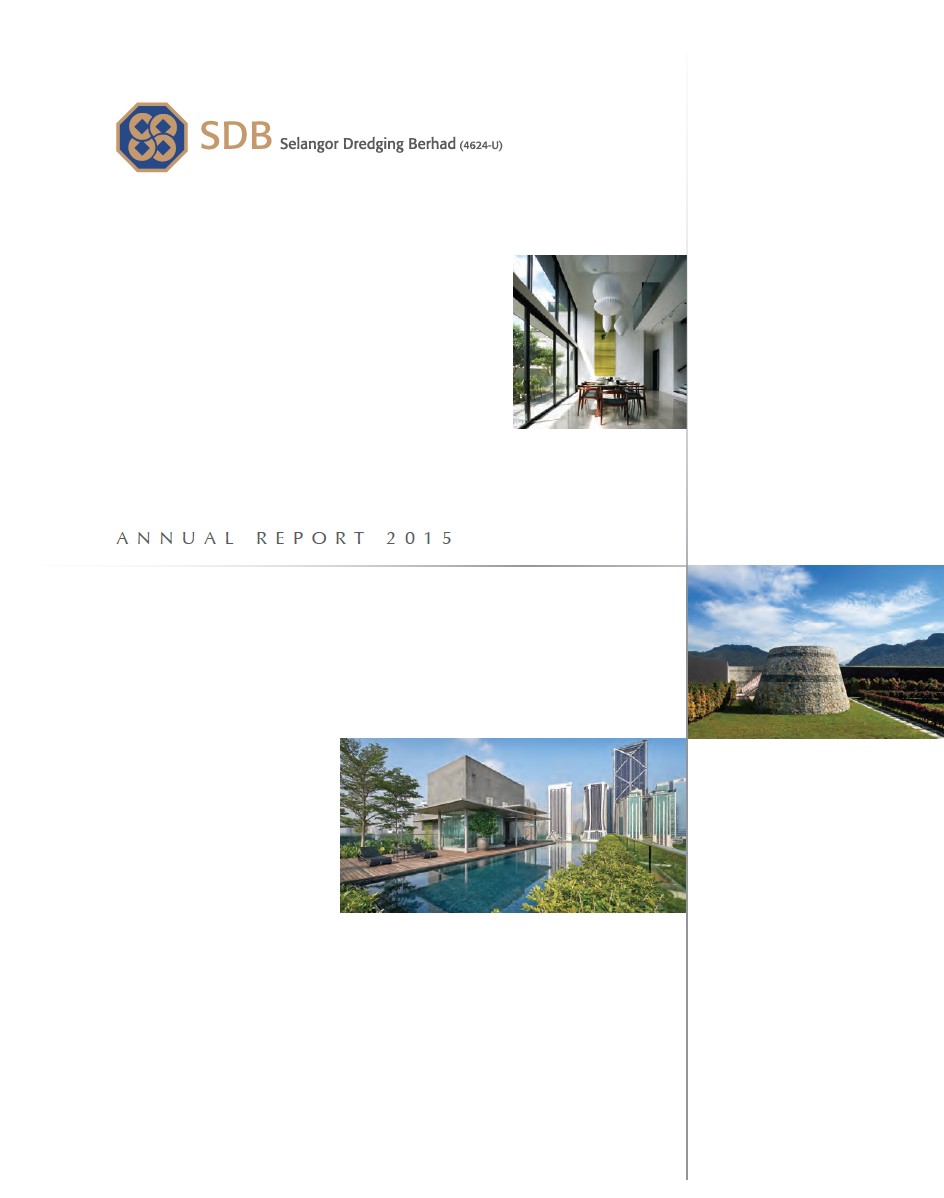
2015

2014
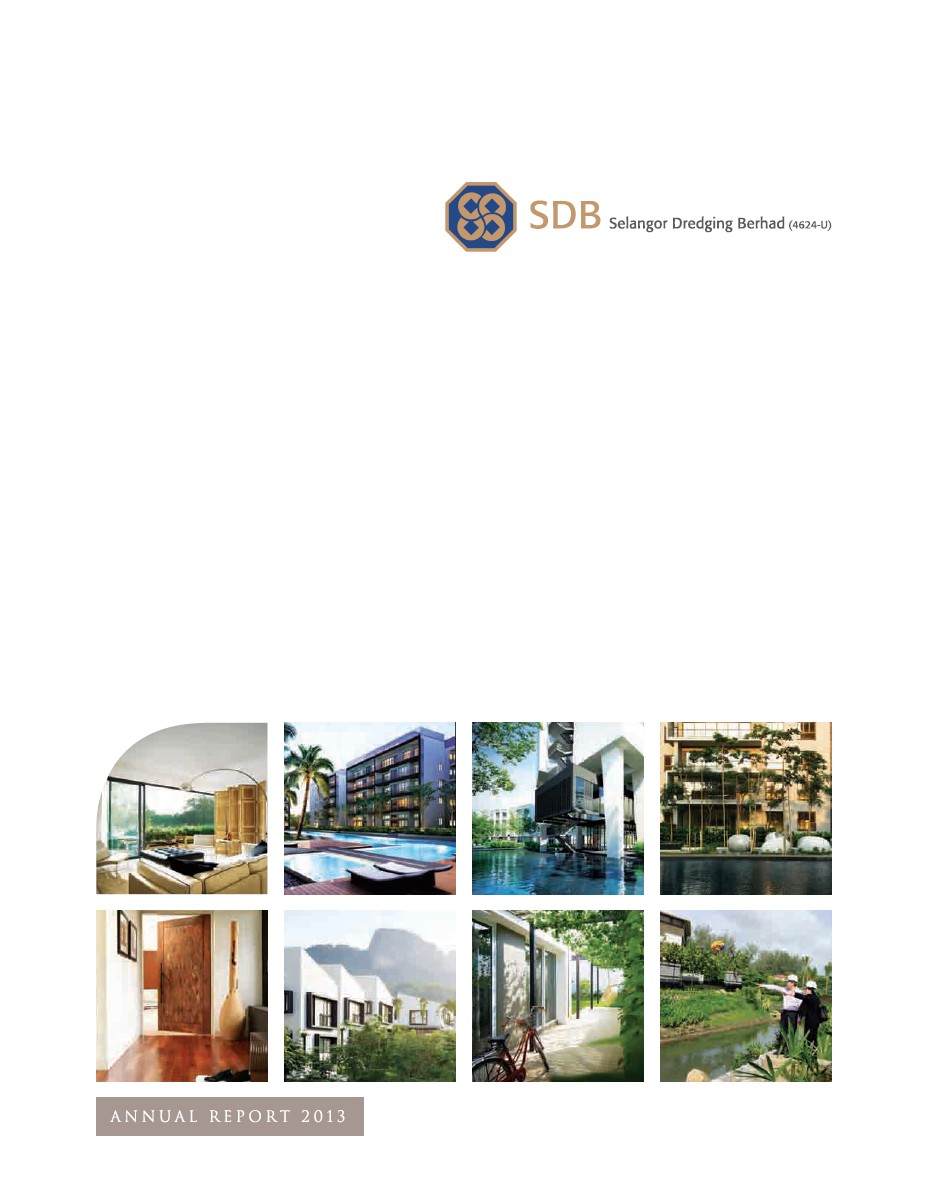
2013
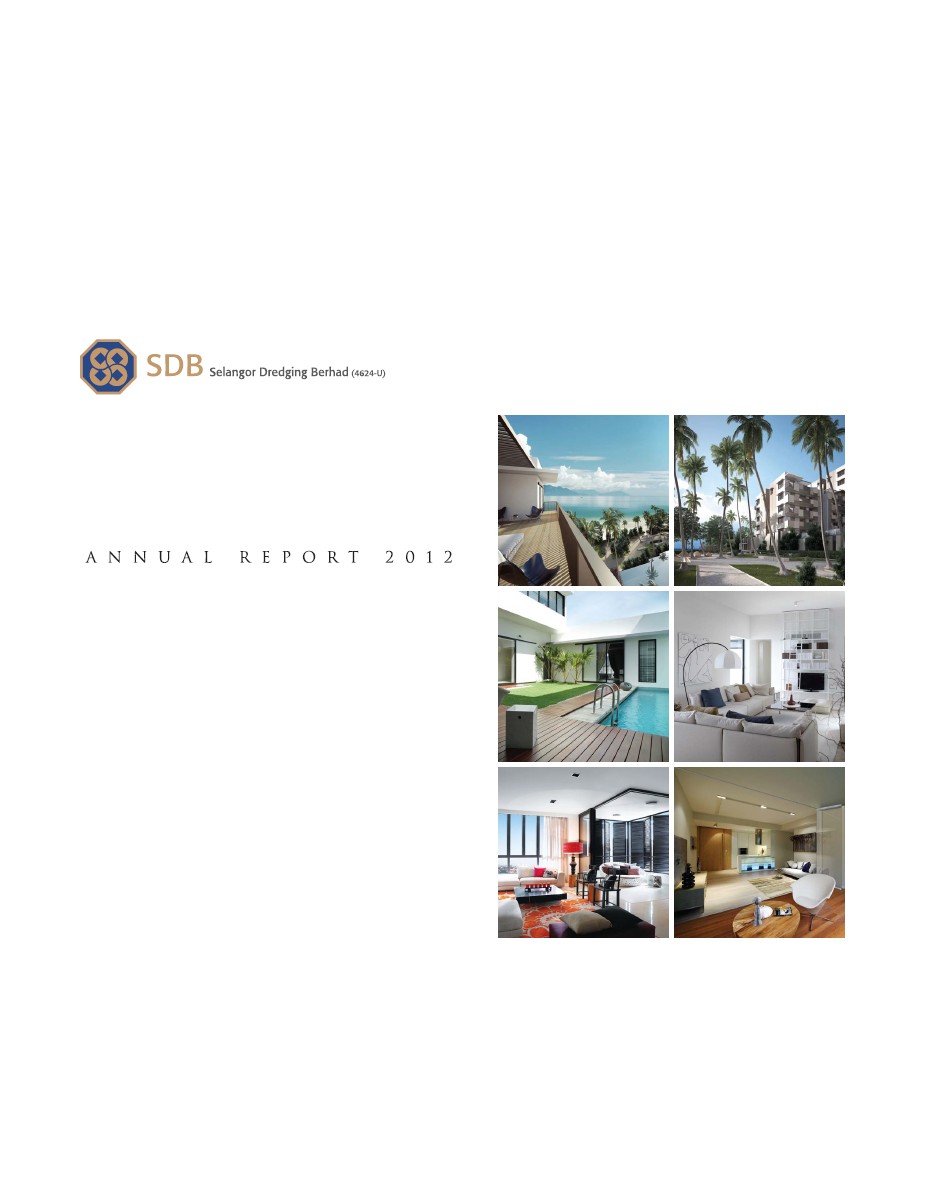
2012
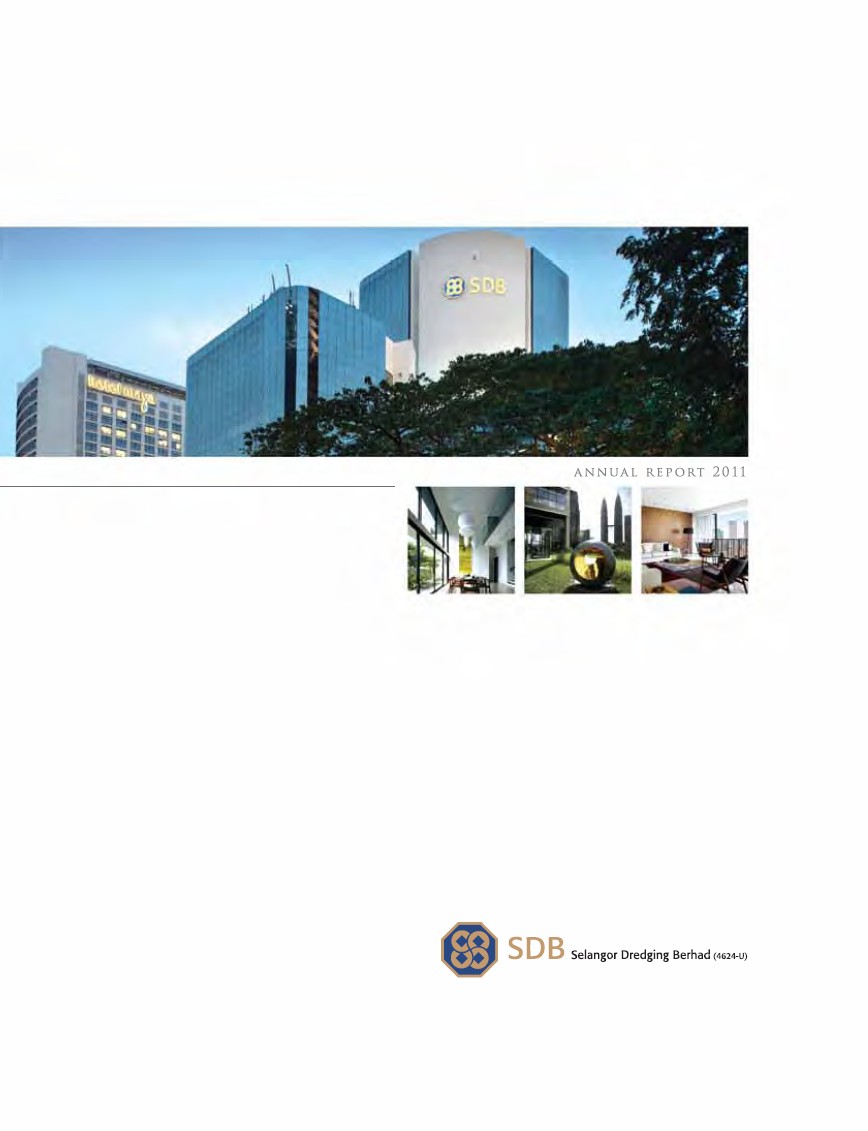
2011

2010

2009
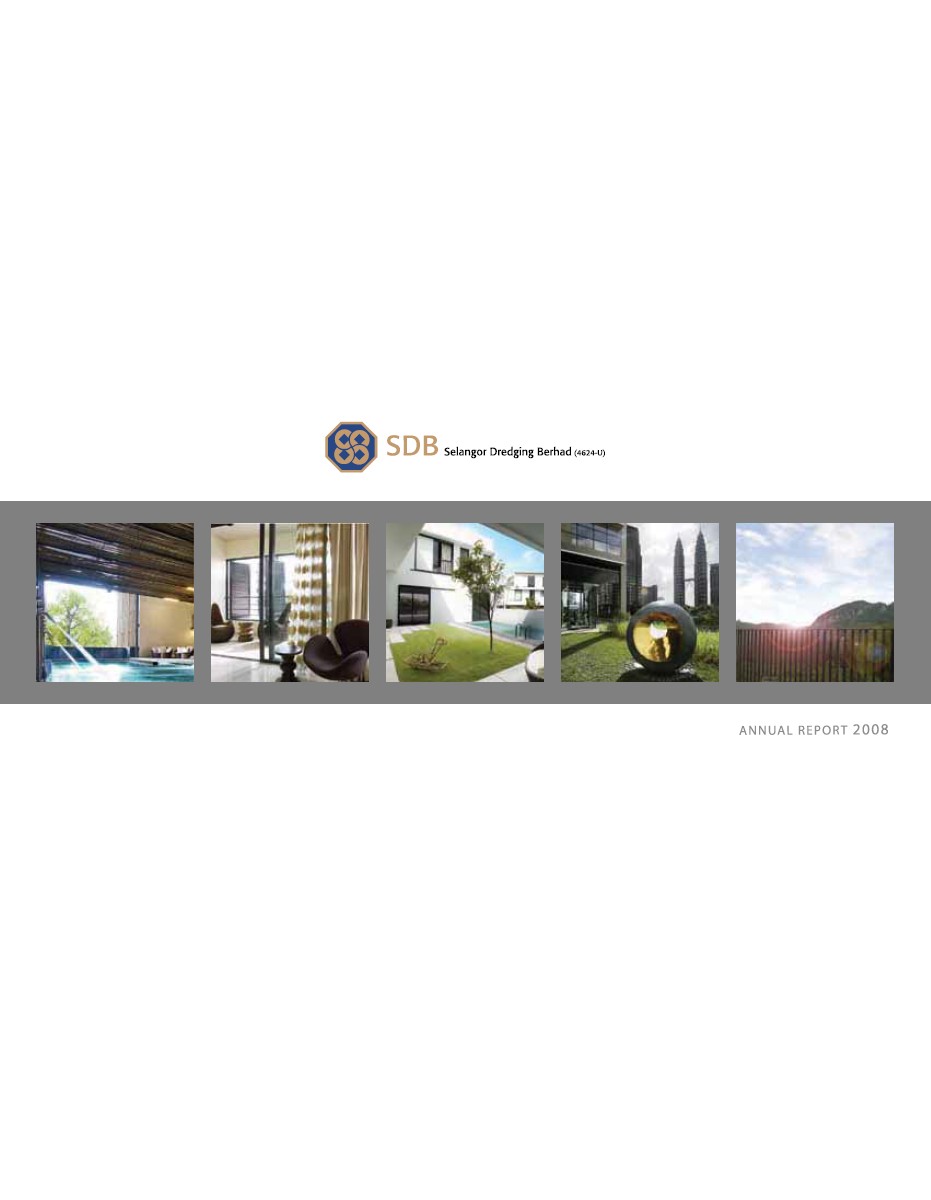
2008

2007
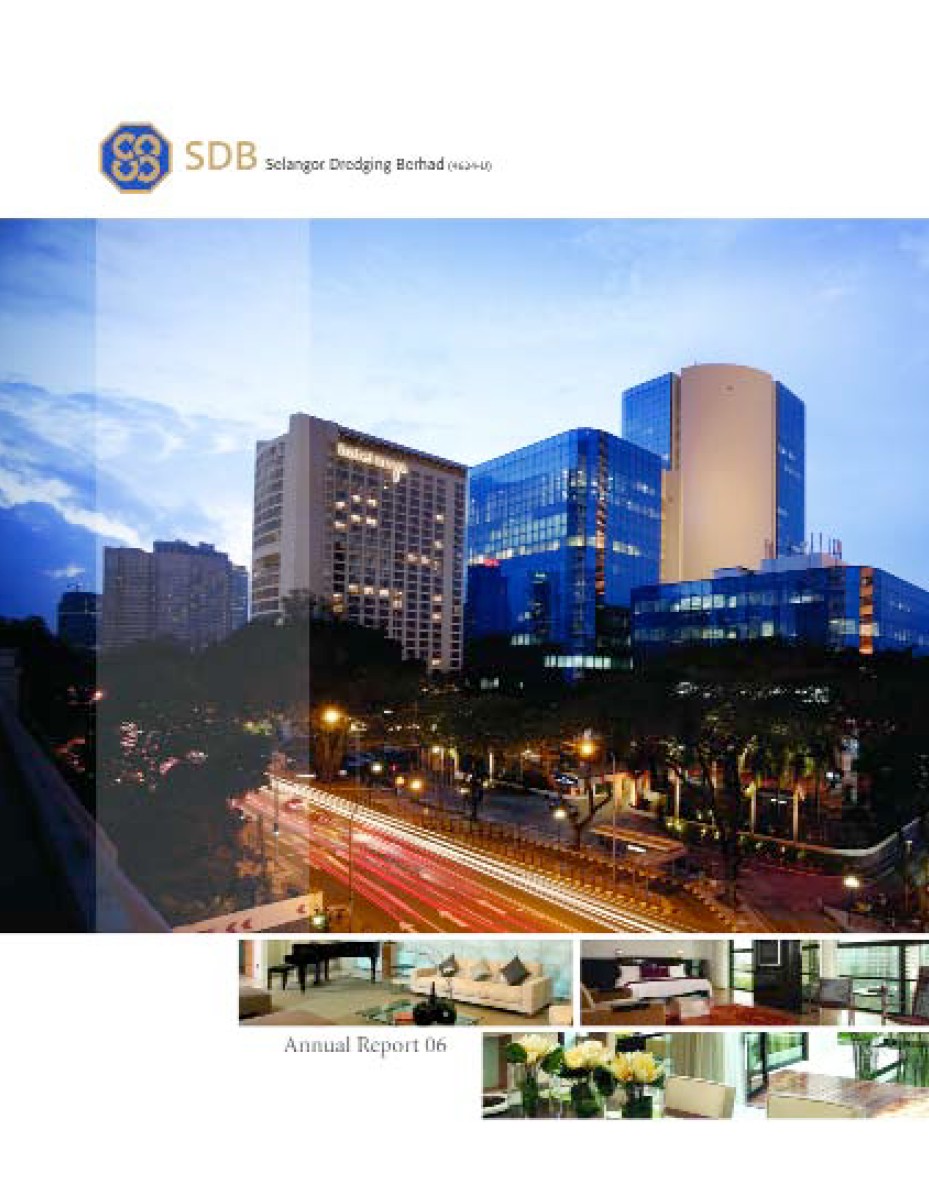
2006
